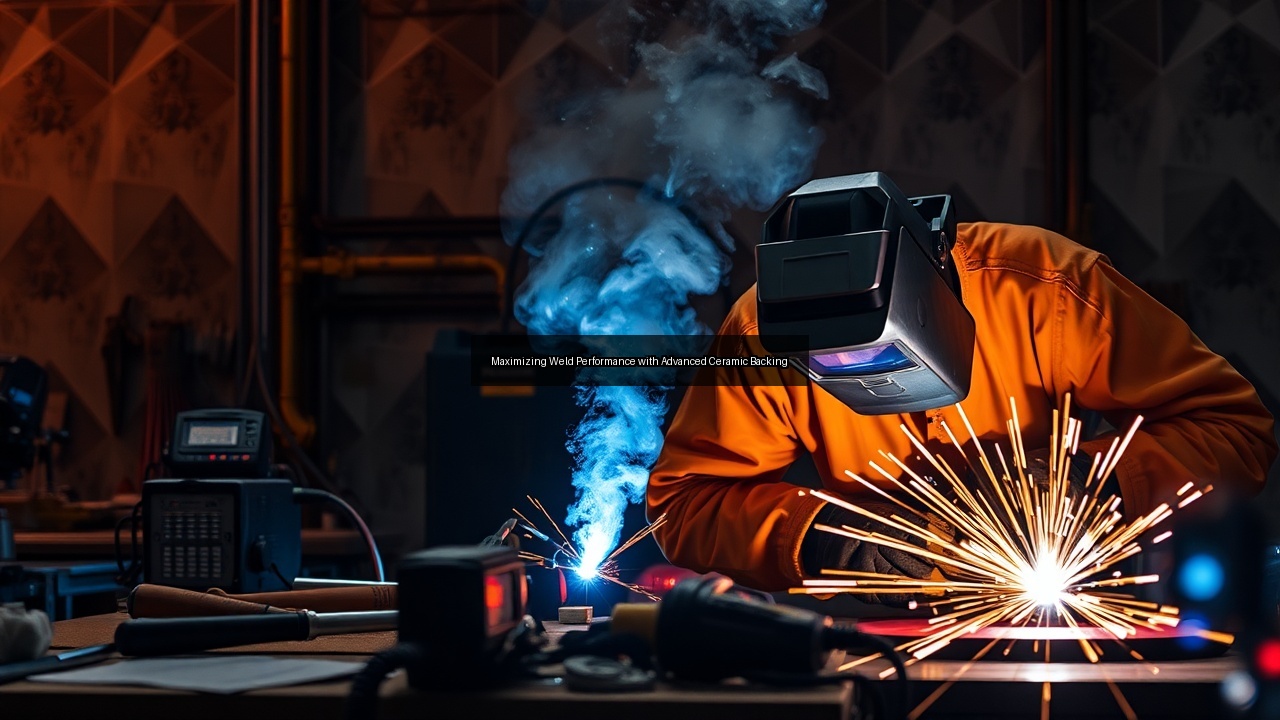
Maximizing Weld Performance with Advanced Ceramic Backing
Understanding Ceramic Backing Materials
Types of Ceramic Backing for Welding
Ceramic backing for welding consists of various materials designed to enhance the quality and efficiency of welds. Common types include alumina, zirconia, and silicon carbide. Alumina is widely favored for its excellent thermal resistance, making it a reliable choice for high-temperature applications. Zirconia offers superior toughness and thermal stability, which is beneficial in environments where welders face extreme conditions. Silicon carbide is less common but provides exceptional wear resistance, suitable for abrasive environments. Each type of ceramic backing serves a unique purpose, allowing welders to select the most appropriate material based on specific project requirements.
Advantages of Using Ceramic Backing
Integrating ceramic backing into welding processes offers numerous advantages that significantly improve weld performance. One primary benefit is enhanced heat management; ceramic materials reflect heat back into the weld pool. This reflection minimizes heat loss, promoting faster welding speeds and reducing the risk of defects like porosity and undercutting. Additionally, ceramic backing provides a smoother surface for welds, which aids in achieving better weld geometry. Welders also experience less warping of the base material, as the controlled heat application reduces overall thermal stress. Overall, ceramic backing materials lead to cleaner, more robust welds, boosting productivity and quality in various welding applications.
Comparison with Other Backing Materials
When comparing ceramic backing materials with other options, such as metal or composite backings, distinct advantages emerge. Metal backings, while sturdy, can absorb significant heat, leading to distortion and impacting weld quality. Composite backings may offer some thermal insulation, but they often lack the durability and heat resistance of ceramics. In contrast, ceramic backings withstand high temperatures without warping, maintaining weld integrity. Additionally, ceramics exhibit superior chemical resistance, making them ideal for corrosive environments. This comparison highlights why many professionals prefer ceramic backing for welding, especially in demanding applications like marine and aerospace projects.
Applications of Ceramic Backing in Welding Processes
Ceramic Backing in MIG and GMAW Welding
Ceramic backing plays a vital role in MIG (Metal Inert Gas) and GMAW (Gas Metal Arc Welding) processes. These welding techniques often require high heat inputs and rapid travel speeds, making effective heat management essential. Ceramic materials reflect heat back into the weld puddle, enhancing penetration and promoting faster solidification of the weld. This capability is particularly beneficial when working with thin materials, such as aluminum, where minimizing distortion is crucial. Moreover, ceramic backing helps in reducing spatter, leading to cleaner welds and less post-weld cleanup. The result is a more efficient welding process, allowing welders to achieve consistent, high-quality welds across various applications.
The Role of Ceramic in TIG Welding
TIG (Tungsten Inert Gas) welding also benefits from the use of ceramic backing. In TIG welding, precision is paramount, and the heat from the torch can easily lead to overheating and damage to the base materials. Ceramic backing provides a controlled heat environment, allowing welders to maintain optimal temperatures and achieve fine weld geometries. The insulating properties of ceramics help prevent heat from dispersing too quickly, enabling welders to focus on creating strong, aesthetically pleasing welds. Additionally, the smooth surface of ceramic backing enhances the overall appearance of the weld, which is often a critical factor in industries like automotive and aerospace, where visual quality matters.
Utilizing Ceramic Backing in Plasma Cutting
Plasma cutting, a process that utilizes high-velocity ionized gas to cut through metal, also incorporates ceramic backing to enhance performance. The intense heat generated during plasma cutting requires effective thermal management to preserve the integrity of the workpiece. Ceramic backing materials can absorb and reflect heat, protecting the underlying metals from excessive thermal stress and warping. This application is particularly useful when cutting thicker materials, as the ceramic backing allows for cleaner, more precise cuts. By reducing dross and improving edge quality, ceramic backing significantly enhances the efficiency of plasma cutting processes, making it an essential tool for welders and fabricators alike.
Enhancing Weld Performance with Ceramic Backing
Impact on Weld Geometry and Quality
Using ceramic backing greatly enhances weld geometry and quality. Proper weld geometry is crucial for ensuring the strength and integrity of the final product. Ceramic materials provide consistent heat distribution, which helps achieve uniform weld bead shapes and sizes. This uniformity reduces the likelihood of defects, such as undercutting or excessive reinforcement. Furthermore, the smooth surface of ceramic backing promotes better fusion between weld beads and the base materials. The result is a stronger bond and improved overall weld quality, which is essential in sectors like construction and automotive manufacturing, where weld integrity is paramount for safety and performance.
Ceramic Backing in Marine and Industrial Applications
Ceramic backing finds extensive use in marine and industrial applications due to its robust thermal and chemical resistance. In marine environments, welders face the challenge of corrosion and high humidity, making the durability of backing materials critical. Ceramic backing can withstand these harsh conditions, ensuring that welds maintain their integrity over time. In industrial settings, where efficiency and speed are crucial, ceramic backing enhances productivity by facilitating quicker welds with fewer defects. Companies like Gullco International and Voestalpine leverage ceramic backing in their welding processes, resulting in high-quality, durable products that meet the rigorous demands of their respective industries.
Case Studies: Success Stories from Gullco International and Voestalpine
Gullco International and Voestalpine serve as prime examples of companies benefiting from ceramic backing in their welding operations. Gullco International, known for its innovative welding solutions, implemented ceramic backing in its automated welding systems. This integration led to a significant reduction in defects and improved overall weld quality, allowing them to maintain competitive advantage in the market. Voestalpine, a leader in steel processing, adopted ceramic backing for its heavy-duty industrial applications. The result was enhanced weld strength and reduced processing times, leading to improved efficiency and product reliability. These case studies demonstrate how ceramic backing transforms welding processes, elevating performance across industries.
Future Trends in Welding Technology and Ceramic Materials
The Rise of Automation in Welding
Automation in welding technology is on the rise, and ceramic backing materials play a pivotal role in this evolution. Automated welding systems require precise heat control and consistent weld quality, which ceramics provide. As manufacturers adopt robotic welding solutions, the demand for reliable backing materials that enhance thermal management and reduce defects will grow. Automated systems benefit from the reflective properties of ceramic backing, ensuring that even the most intricate welds maintain structural integrity. This trend towards automation not only increases productivity but also allows for safer working conditions for welders, as robots handle the high-risk tasks.
Innovations in Ceramic Welding Products
Innovation in ceramic welding products continues to advance, providing welders with even more effective tools. New formulations and blends of ceramic materials enhance performance characteristics, such as thermal resistance and durability. Manufacturers are exploring lightweight ceramics that maintain strength while reducing overall weight, benefiting welders who require mobility and ease of use. Additionally, advancements in adhesive technologies that bond ceramic backings more effectively to workpieces enhance the overall performance of the welding process. These innovations ensure that ceramic backing remains a crucial component in modern welding applications, leading to improved efficiencies and product quality.
Protective Gear and Safety Considerations for Welders
As welding technologies evolve, so do the safety considerations for welders. Protective gear, such as welding helmets equipped with advanced filtration systems, becomes essential in environments using ceramic backing materials. The high temperatures and potential for spatter demand gear that offers superior protection and comfort. Welders must remain educated about the latest safety standards and practices to minimize risks. Incorporating ceramic backing can also contribute to safer working conditions by reducing hazardous fumes and ensuring cleaner work environments. As the industry progresses, prioritizing safety alongside technological advancements will remain a critical focus for welders and manufacturers alike.